
What is a Bengal Cat ?
Breed Characteristics
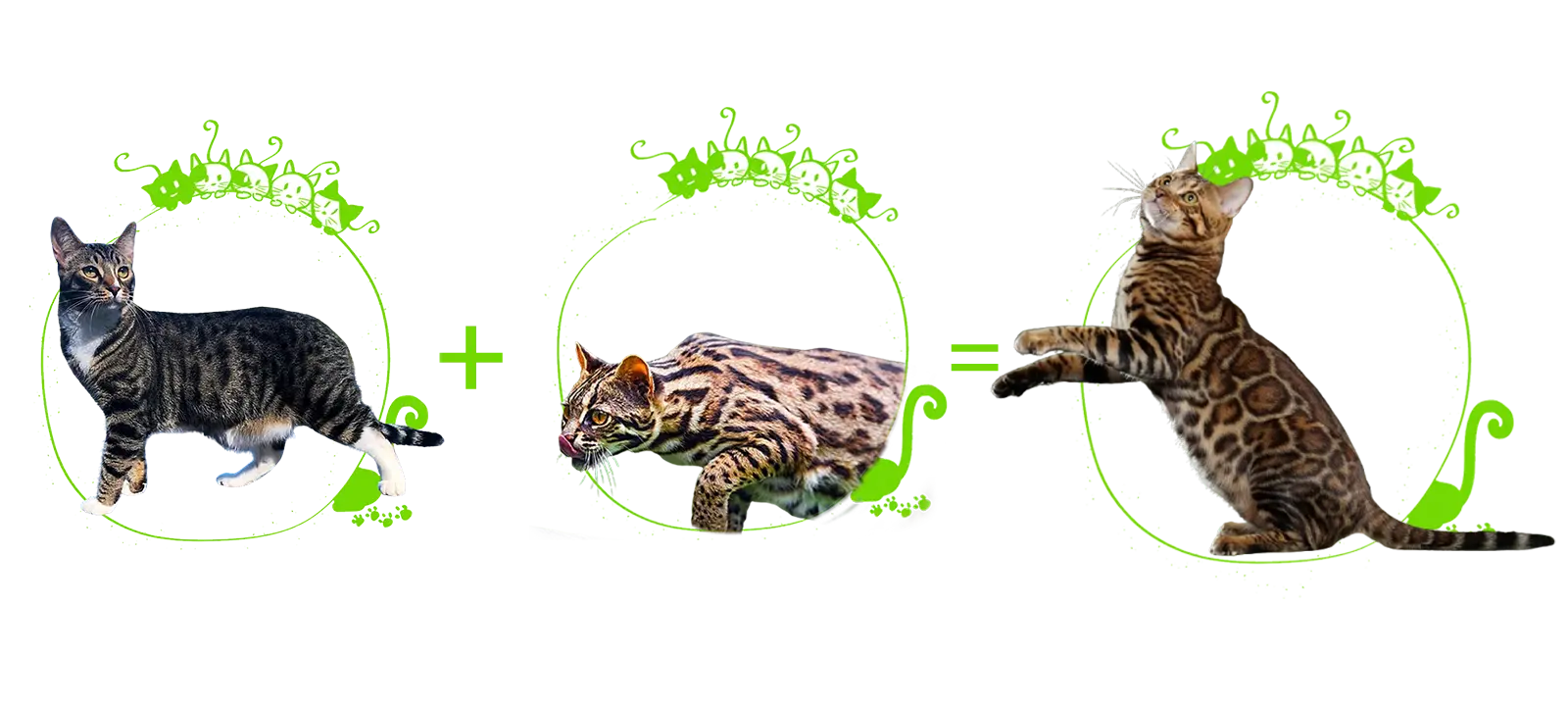
The Bengal cat is a stunning hybrid breed, the result of crossing the wild Asian leopard cat (Prionailurus bengalensis) with domestic felines, particularly the spotted Egyptian Mau. To ensure these beautiful creatures have the affectionate nature of a housecat, they are often bred with breeds known for their friendly personalities. This is important because, after mixing a domesticated cat with a wild species, the kittens may inherit more independent traits, and the loving temperament might not always come through. The breed’s name is derived from the leopard cat’s scientific classification, honoring its exotic lineage.
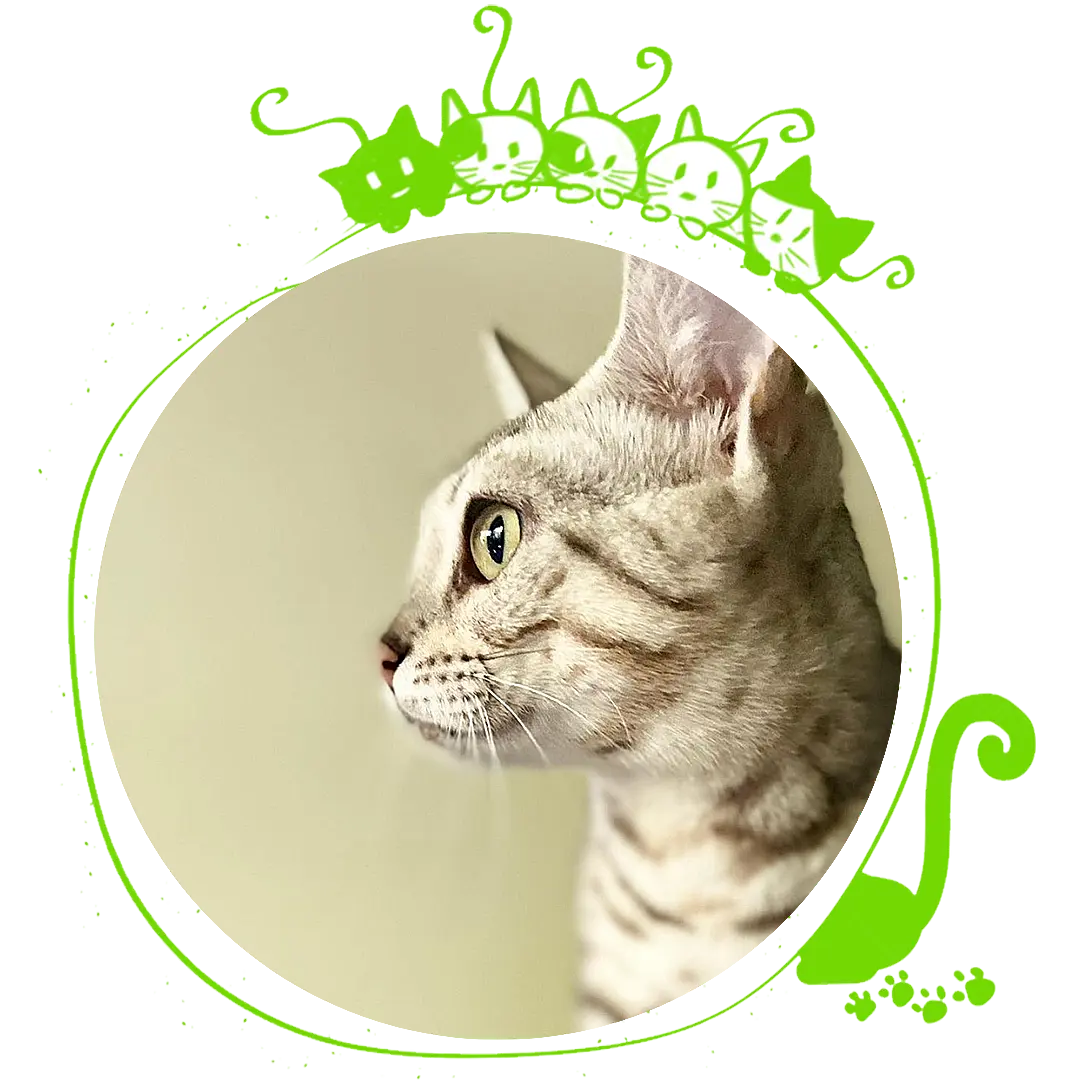
Bengals are known for their incredible variety of coat patterns. Their fur can range from bold spots and intricate rosettes to sleek arrowhead markings and beautiful marbling, making each Bengal a unique and breathtaking masterpiece.
Bengal Colors / Patterns
Due to the genetic diversity of both parents, kittens within the same litter can vary significantly in appearance. Thankfully, advances in feline genomics have made it possible to study and identify the genes responsible for coat color, pattern, and other traits through DNA testing. This genetic knowledge enables breeders to predict the potential outcomes of future litters and helps prevent hereditary health issues from becoming prevalent within a breed.
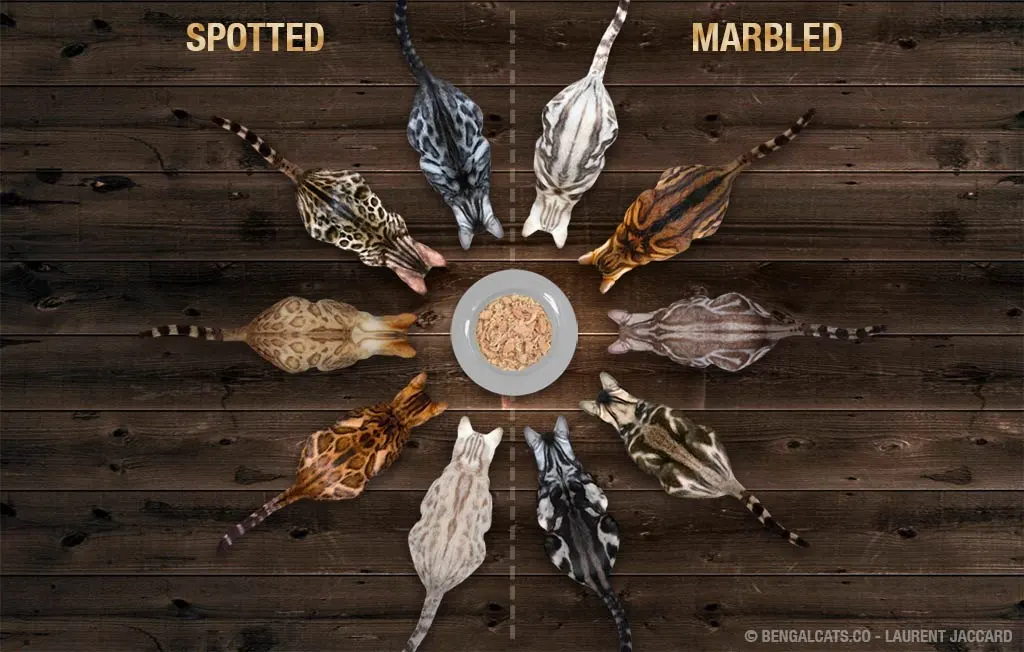
In terms of accepted breed colors, there are technically just three primary categories: Brown, Silver, and the three Snow variations (Seal Lynx, Seal Sepia, and Seal Mink Point). Each of these color groups can showcase one of two accepted coat patterns: Spotted or Marble.
Spotted Bengal
The spotted coat is by far the most popular and recognizable pattern for Bengal cats. If you’ve encountered a Bengal or are just starting to learn about the breed, it’s likely you’ve seen one with this stunning spotted coat.
The brown spotted tabby Bengal earned Championship recognition from TICA in 1991, marking a significant milestone in the breed’s development.
Spotted Bengals are known for their distinct, small to medium-sized spots scattered across their coats. The highly sought-after large, two-tone rosette patterns are particularly prized, giving these cats their striking ‘mini leopard’ appearance.
This spotted pattern emerged when breeders favored larger, more spaced-out spots over the years. What began as the natural spotted tabby pattern in domestic cats has been refined and enhanced through careful selective breeding.
Their coats are adorned with random spots, which may be arranged diagonally or horizontally, covering the torso, belly, and legs. Ideally, dark spots against a lighter background are most desirable.
It’s important to note that within the spotted category, there’s a wide variety of spot types, so a single Bengal cat may have several different styles of spots across its body.
Marbled Bengal
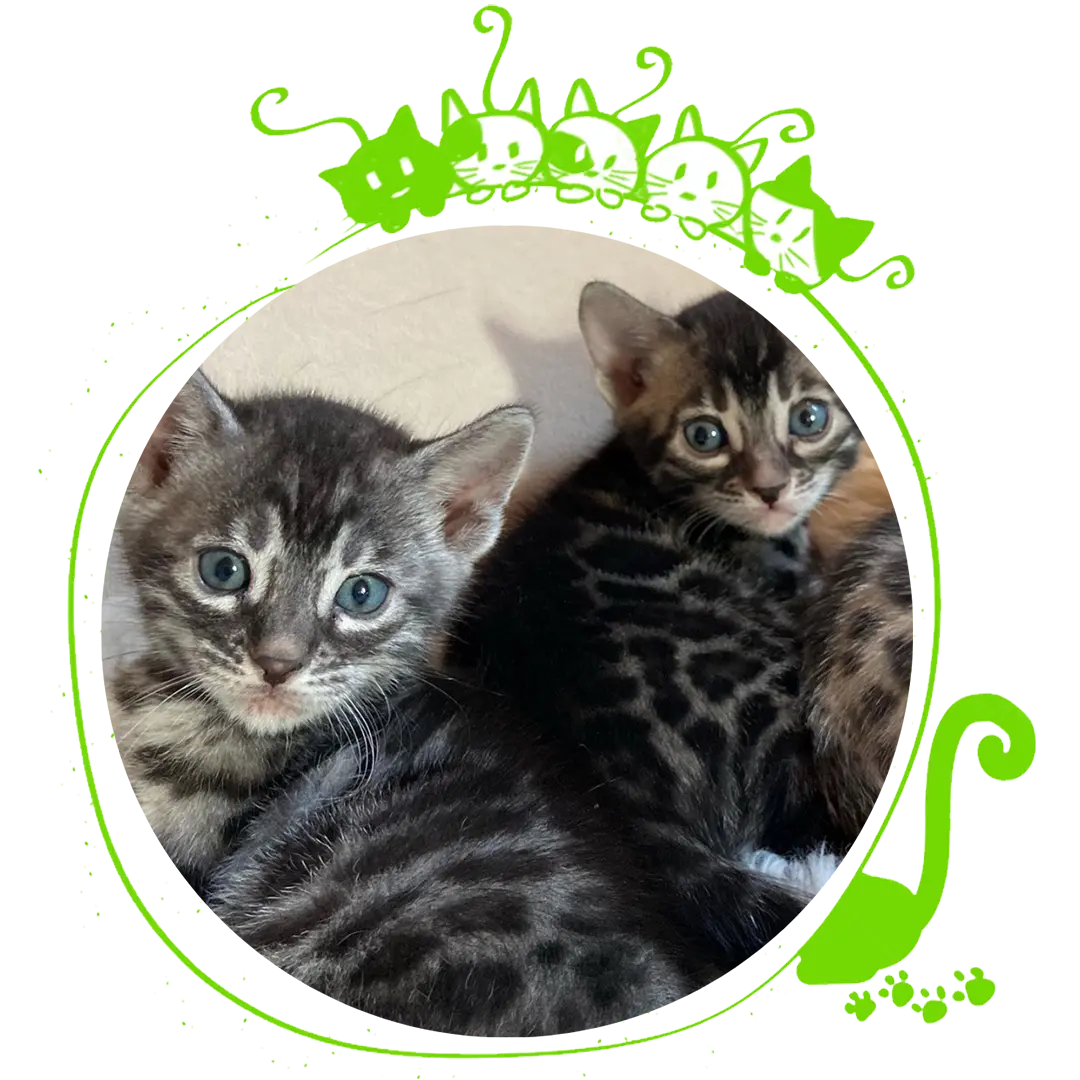
The marbled coat pattern in Bengals originates from blotched tabby stripes that swirl and flow across the body. The ideal marbled Bengal showcases a fluid, asymmetrical pattern with horizontal swirls and a mix of two or more colors, creating a truly unique and striking appearance.
There are four recognized types of marbled patterns in Bengals: reduced horizontal flow, horizontal flow, chaos pattern, and sheet marble patterns.
The first marbled Bengal kitten was produced in 1987 by Jean Mill, the breeder who is credited with creating the Bengal breed. This kitten, named Millwood Painted Desert, marked a turning point in the Bengal’s development. Originally, Jean Mill had envisioned the breed focusing solely on spotted patterns, but Painted Desert’s immediate success with both judges and the public led to the inclusion of marbles in the Bengal registry.
The early marbled Bengals became foundational to the breed’s development, passing down the genes for the outlining and horizontal flow patterns that later helped produce the first rosetted spots in the 2000s. In 1993, the marbled Bengal was officially granted Championship status by TICA, cementing its place in the Bengal breed’s evolution.
A Bengal’s Personality
The Bengal cat’s temperament is truly one of a kind, setting it apart from any other domestic cat. While most housecats can often be found lounging lazily, hiding from visitors, and indifferent to the world around them, Bengals are the complete opposite. These energetic, social, and highly alert cats thrive on activity and interaction.
As family companions, Bengals shine. They love to play with children and are known for their gentle and affectionate nature.
Highly intelligent and playful, Bengals bring an unexpected sense of humor and mischief to the home, often surprising their owners with clever antics and creative problem-solving.
Living with a Bengal is an absolute joy; there’s simply no other cat like them. Though they often take charge and assert themselves as the “leader” of the household, they tend to get along well with both other cats and dogs.
Thanks to their boundless energy and love of games like fetch, Bengals often form strong bonds with dogs, and their playfulness makes them just as social with their canine companions as they are with fellow felines.
Bengals thrive on human interaction and need activity to keep their curiosity satisfied and out of mischief. Unlike most cats, Bengals have a surprising affinity for water, and it’s not uncommon for them to join their owners in the shower or bathtub, delighting in the splash and fun.
Should I allow my Bengal to go outside?
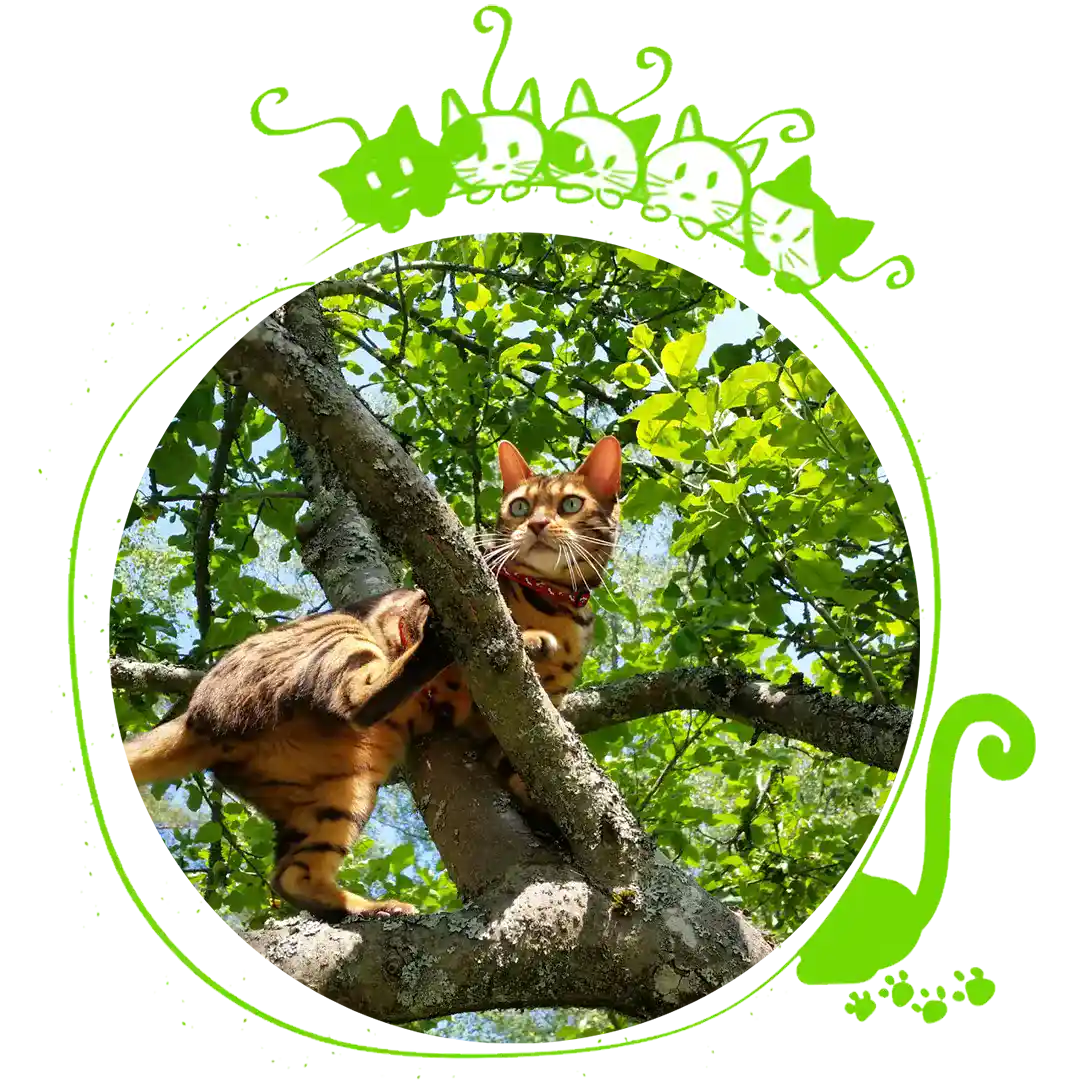
The Bengal cat is a true nature lover! One of their favorite pastimes is watching and listening to birds, so much so that you’ll need to be extra cautious with doors and windows. Bengals thrive in outdoor enclosures where they can safely explore, or they’ll happily enjoy a walk outside on a leash with a harness, indulging in their love for the sights and sounds of the world around them.
A Bengal’s Diet
Our experience is that offering high-quality raw meat is the most natural and beneficial diet you can provide for your Bengal cat and far superior for their digestive health.
You can typically find frozen, pre-prepared, high-quality raw food at most pet stores, or some cat owners prefer to prepare the meals themselves.
Important
To ensure your Bengal cat stays healthy and safe, handle raw meat with the same care you would when preparing food for yourself. Always choose meat products from trusted sources that adhere to strict hygiene standards.
Once thawed, the meat should be used within 24 hours, as it will no longer be safe after this time. Also, any leftover food that has been at room temperature for more than 1 hour should be discarded to prevent any risk of contamination.
A Bengal’s Health
Diseases, Viruses & Parasites
An important aspect of caring for a Bengal cat is preventing potential health issues, such as diseases, viruses, and intestinal parasites. Like all cat breeds, Bengals have certain genetic predispositions and health challenges that require attention.
For instance, Hypertrophic Cardiomyopathy (HCM), a heart condition, affects several Bengal bloodlines, as well as other breeds worldwide. Unfortunately, it can often lead to death. Since HCM is hereditary, it can largely be prevented if breeders test their breeding cats before mating.
It’s essential that breeders test their Bengals for both genetic and viral health issues, as this greatly contributes to improving the overall health of the breed.
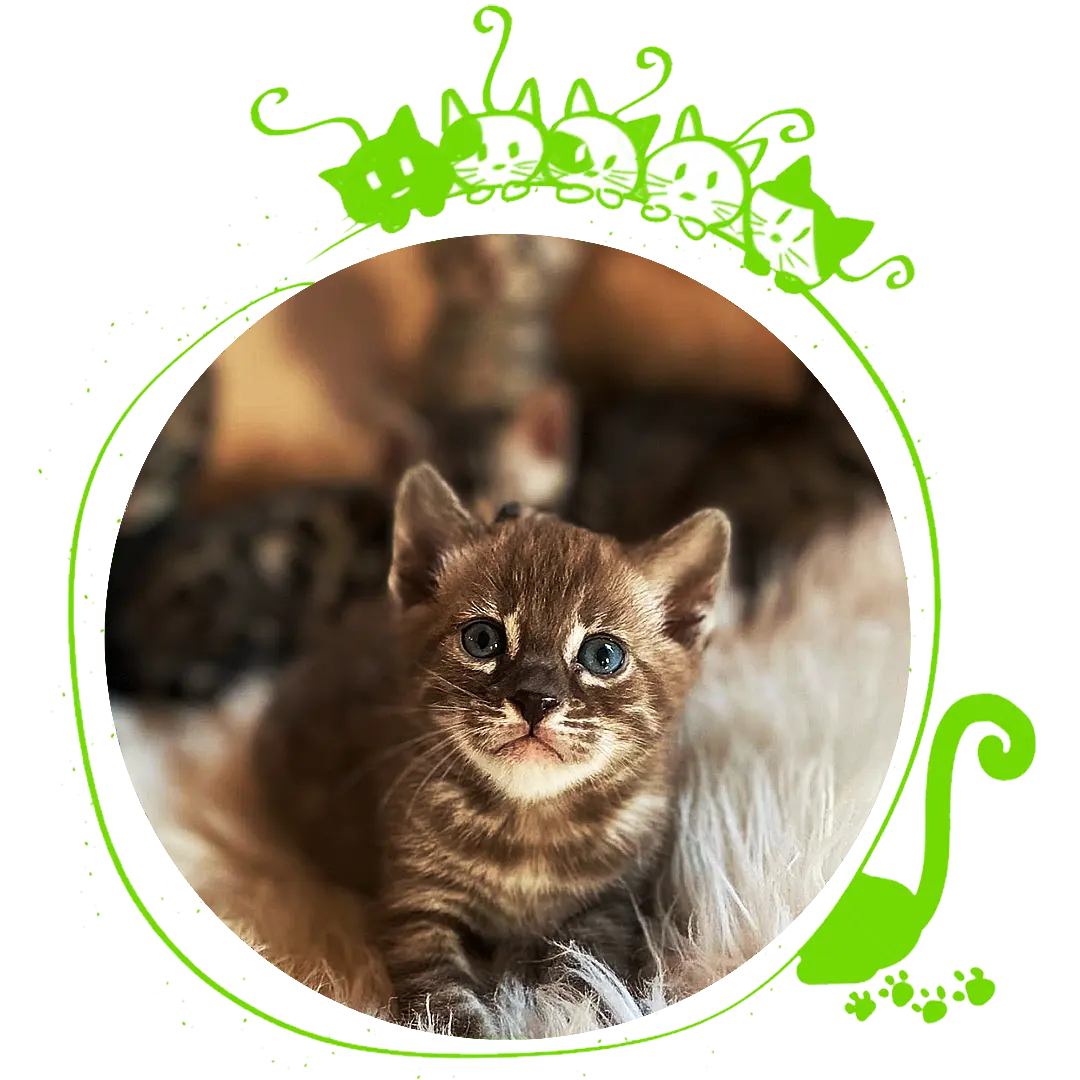
As an adopter of a Bengal kitten, you won’t need to worry about these tests unless your kitten shows signs of illness. This is why selecting a reputable breeder is so important—it saves you from potential health problems down the road.
The health of our cats is our top priority. We take every step necessary to ensure our Bengals and kittens are as healthy as possible. Every Bengal kitten adopted from our cattery comes with a comprehensive health guarantee.